
Resources
Plain-language starting points on endometriosis, perimenopause and menopause, and chronic pain — and what to do when a doctor doesn’t believe you. Not medical advice. A place to start, and real organizations to go to next.
Start here · free · no sign-up
I Believe You
A private guide for periods that feel like too much. It turns what you are feeling into words a doctor can act on. No account, nothing to download, and your answers never leave your browser.
Open it →Endometriosis
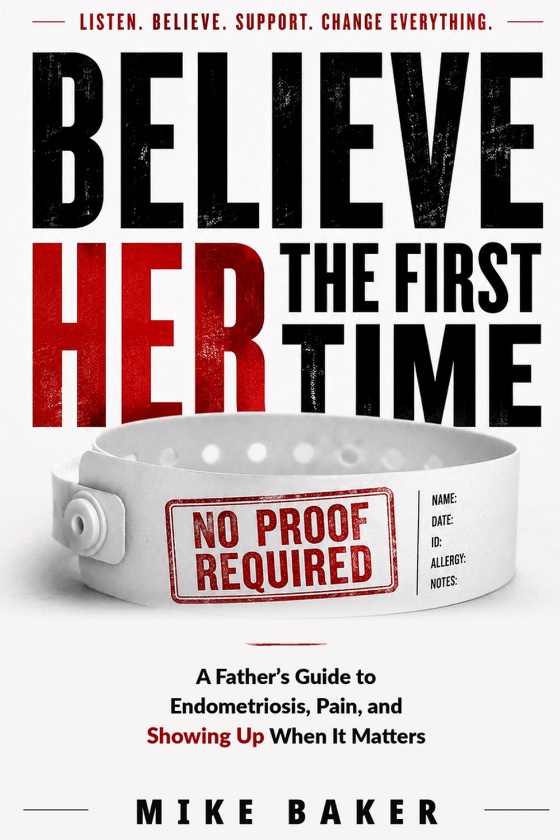
Endometriosis is a condition where tissue similar to the lining of the uterus grows outside it — on the ovaries, fallopian tubes, or elsewhere in the pelvis. That tissue responds to the menstrual cycle the same way, which means pain, inflammation, and sometimes scar tissue, every month.
It affects roughly 1 in 10 women of reproductive age. The average time from first symptoms to diagnosis is commonly cited at 7 to 10 years — not because it’s rare, but because it’s so often dismissed as normal period pain.
Common signs: pelvic pain that’s worse around your period, pain during or after sex, pain with bowel movements or urination during your period, heavy bleeding, and fatigue. Symptoms vary widely — some people have severe disease with little pain, others have mild disease with debilitating pain.
There is no cure, but there are real treatments: hormonal therapy, pain management, and excision surgery performed by a specialist. A general OB-GYN can start the conversation; an endometriosis specialist (excision surgeon) is worth seeking out for a confirmed or suspected diagnosis.
Perimenopause & menopause
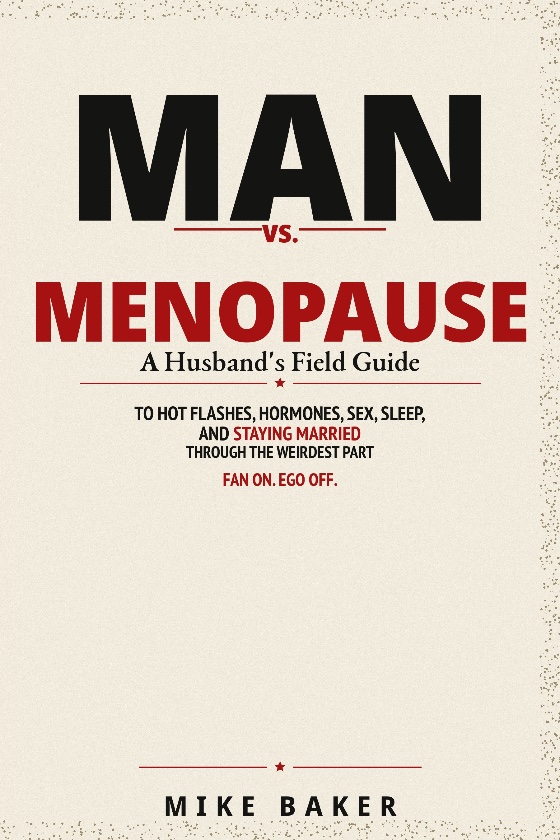
Perimenopause is the transition leading up to menopause, when hormone levels start to shift unevenly. It can start in a woman’s late 30s or 40s and last anywhere from a few months to over a decade. Menopause itself is marked retroactively — 12 months without a period.
Common signs: irregular periods, hot flashes and night sweats, sleep disruption, mood changes, brain fog, vaginal dryness, and changes in sex drive. Many of these get written off as stress or aging instead of named for what they are.
Treatment options include hormone therapy (still under-prescribed and often misunderstood, even by doctors), non-hormonal medications, and lifestyle support. A menopause-informed provider — not every OB-GYN has current training here — makes a real difference.
Chronic pain & medical gaslighting
Medical gaslighting is when a patient’s symptoms are dismissed, minimized, or attributed to anxiety or stress without real investigation. Women, and especially women of color, are diagnosed later and believed less across nearly every chronic pain condition — not because their pain is less real, but because the system is slower to look for it.
If you feel dismissed:
Write your symptoms down before the appointment — what, when, how often, how bad, on a 1–10 scale. Bring someone with you if you can; being believed is sometimes easier when someone else is in the room. Ask directly: “What else could this be, and how do we rule it out?” If you’re told it’s “just stress” or “just anxiety” with no workup, it’s reasonable to ask for one, or to get a second opinion. You’re allowed to switch doctors. You’re allowed to bring research. You’re allowed to be believed.
More to hear and read
Downloadable resources
Free, printable PDFs — trackers, conversation guides, and planners for the days that are hard to talk through out loud.
This page is general information, not medical advice, and it isn’t a substitute for care from a licensed provider. If you’re in crisis or need urgent care, contact a medical professional or emergency services directly.