
Custom art sounds simple at first.
You have an idea. You want someone to make it visual. Maybe it is for your home, your business, a book cover, a song, a gift, a memorial, a campaign, or a moment you want to hold onto.
But the best custom art is not only about making something look cool.
It is about turning meaning into an image.
That is where the work gets interesting.
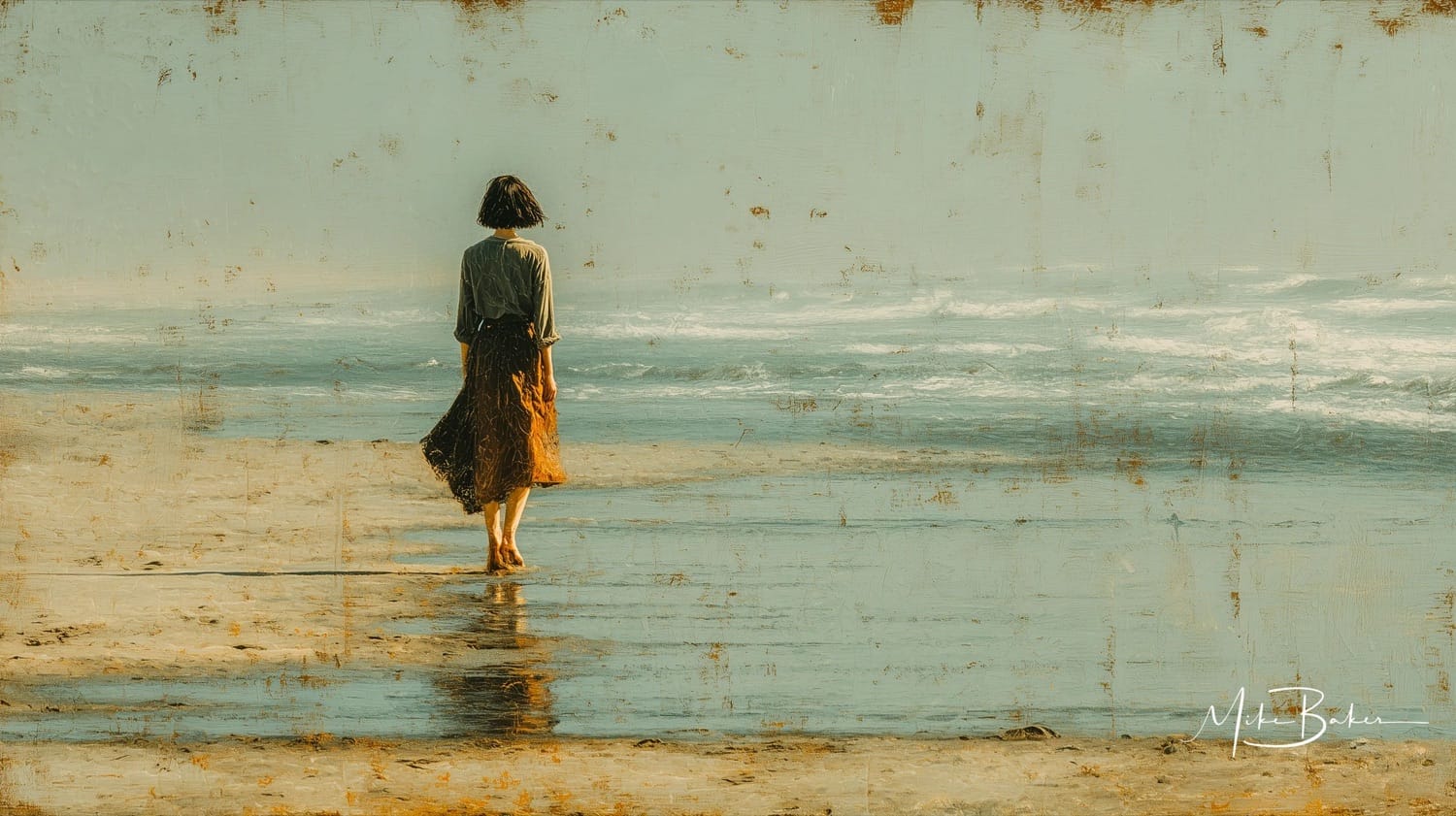
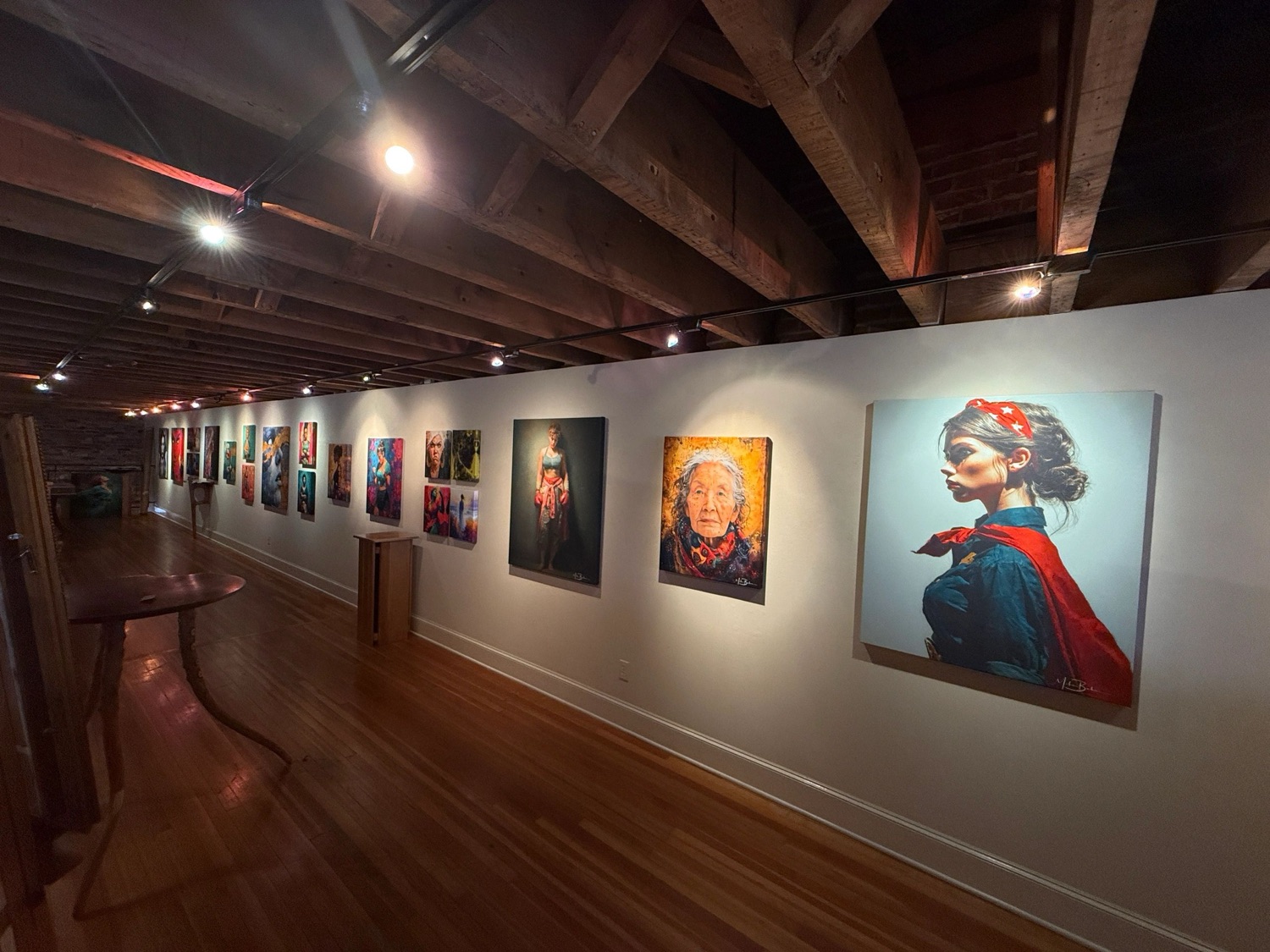
At Mike Baker HQ, the art I create through Infinite Canvas AI is built around story. Sometimes the story is obvious. Sometimes it is buried under a feeling, a memory, a phrase, a song lyric, or something someone has carried for a long time but never quite knew how to explain.
AI tools can generate images fast. That part is not the hard part anymore.
The harder work is knowing what the image is supposed to say.
Start with the story, not the style
A lot of people begin with style.
They say they want something cinematic, gritty, colorful, emotional, surreal, soft, bold, or modern. That helps, but it is not enough.
The better place to start is with the question behind the image.
What are you trying to honor? What are you trying to say? Who is this for? What should someone feel when they see it? What should the image remember?
Those questions matter more than whether the piece is realistic, abstract, painterly, or digital.
A strong custom image needs a reason to exist.
Give the artist something real to work with
The best commission requests include more than a vague idea.
You do not need to have everything figured out. You do not need perfect art language. You do not need to know composition, lighting, color theory, or software. That is the artist’s job.
But you should bring the raw material.
Helpful things include:
A short description of the story behind the piece.
A few words that describe the feeling.
Any colors, symbols, people, places, or objects that matter.
Where the image will be used.
Whether you want it to feel personal, public, quiet, intense, hopeful, haunting, warm, strange, or direct.
Reference images help too, but they should guide the work, not trap it. The goal is not to copy someone else’s image. The goal is to understand what visual direction feels close.
Custom art works best when there is room to discover
One of the things I love about AI-assisted art is the back-and-forth.
The first image is rarely the final answer. It might reveal what is working. It might show what is wrong. It might bring out something you did not know you wanted until you saw it.
That is part of the process.
Sometimes the image needs more grit. Sometimes it needs less polish. Sometimes the face is wrong, the light is wrong, the mood is too clean, or the piece feels like generic AI art instead of something with a pulse.
That is where human judgment matters.
AI can produce options. The artist still has to choose, shape, reject, refine, and keep asking whether the image feels true.
Know where the art will live
A piece for a website banner is different from a book cover.
A social media image is different from a framed print.
Album art is different from a campaign image.
Before starting, it helps to know the final use. Is this going on Instagram? A website? A poster? A book? A private gift? A business campaign? A podcast cover? A wall?
That changes the format, size, level of detail, amount of text, and how much visual space the image needs.
A beautiful image can still fail if it does not fit the place it is supposed to live.
Be clear about timeline, budget, and revisions
Custom work needs clear expectations.
That does not have to make the process cold or transactional. It simply protects the work.
Before starting, it helps to talk through timing, cost, number of concepts, number of revisions, final file format, and how the image will be used.
If the image is for personal use, that is one thing. If it is for a business, book cover, product, public campaign, or commercial use, that needs to be clear upfront.
Good creative work goes better when both sides know what they are agreeing to.
AI-assisted does not mean effortless
This is important.
AI has made image creation more accessible. It has also made it easier to create a lot of forgettable images.
The difference is intention.
A meaningful piece still needs taste, restraint, story, editing, and the willingness to keep working until the image feels like it belongs to someone.
That is the part I care about.
I am not interested in making disposable AI noise. I am interested in making images that carry something human.
Ready to start?
If you are thinking about a custom piece, start with the story.
Tell me what the image is for. Tell me what it needs to hold. Tell me what matters. We can figure out the style, size, and direction from there.
Custom art can be a gift, a marker, a memory, a cover, a campaign, or a way to say something words have not been able to say yet.
The tools are new.
The reason for making art is still human.