
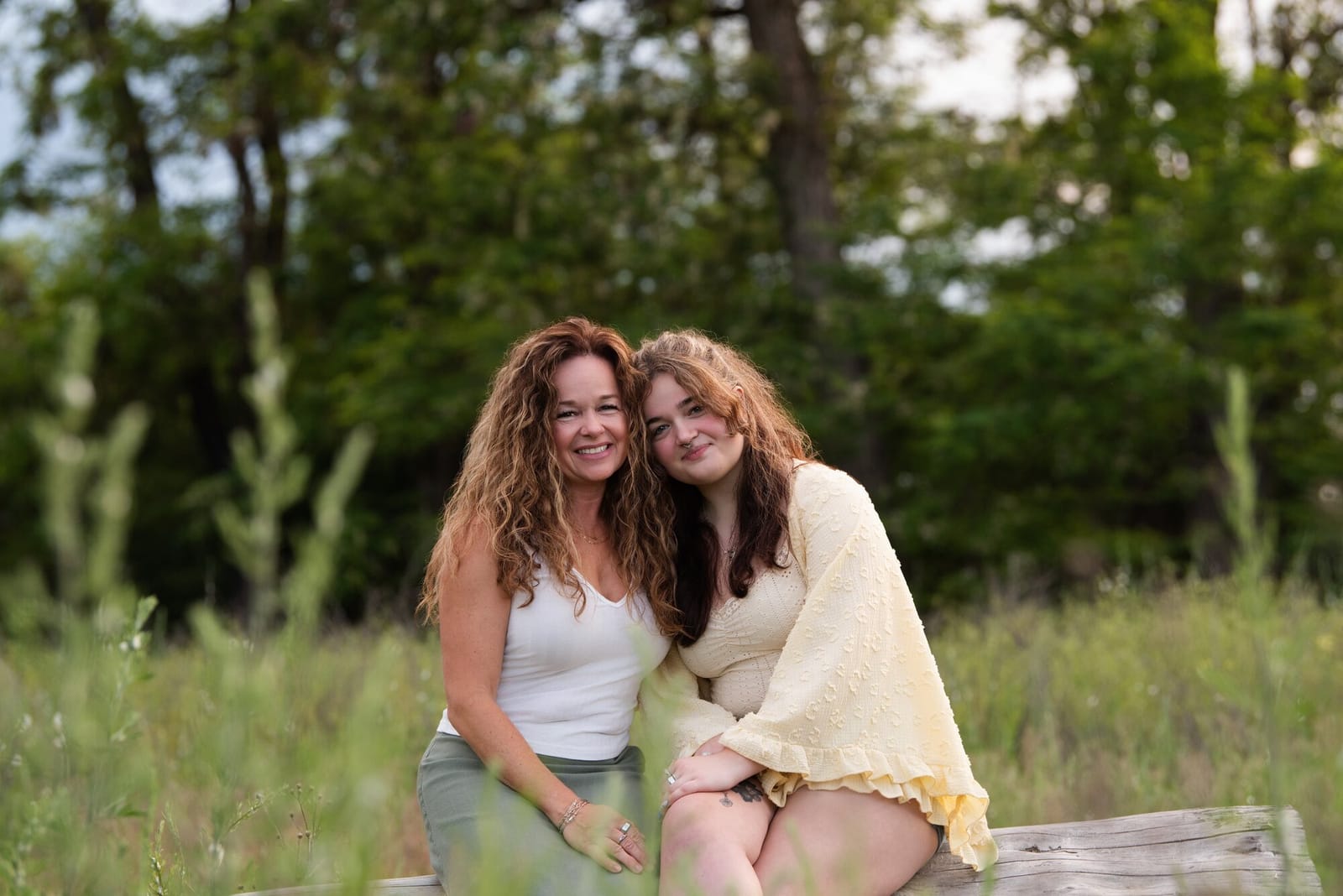
I keep thinking about how easily our family’s story could have gone differently.
Kellie had earned her PTA license and happened to be working around pelvic-floor physical therapy when Samantha began getting sick. Because of that experience, she recognized connections most parents would have had no reason to see. She knew enough to ask different questions, and those questions helped Samantha receive an endometriosis diagnosis at 14, two years after her symptoms began.
What if Kellie had taken a different job?
That question bothers me more than I can explain. Not because I am ungrateful. I am incredibly grateful she was in the right place to learn what she learned. I am grateful she paid attention, trusted what she was seeing and kept trying to make sense of what was happening to our daughter.
But a child’s path to care should not turn on one ordinary career decision her mother happened to make.
Somewhere there is another 12-year-old girl with the same pain and nausea. Her family loves her just as fiercely as we love Samantha. They know something is wrong, but nobody in their lives happens to recognize the pattern. Her parents are doing everything they know to do, and it still may take four, seven or ten years before somebody connects the pieces.
That is not because they failed her. It is because we have built a healthcare experience that too often asks patients and families to supply the connection themselves.
I have spent nearly three decades in community healthcare. I know how hard people inside this system work. I know the pressure clinicians carry, the impossible math of short appointments and long waitlists, and the frustration of wanting to help when the right specialty care is not available.
I believe in the people doing this work. I also believe we have to tell the truth about the results.
A family should not need a lucky connection, the right ZIP code, unusual medical knowledge or the stamina to keep knocking on doors for years. A woman or girl should not have to become exceptionally good at navigating healthcare before healthcare becomes good at seeing her.
Luck may have helped our family find the path sooner. Luck is not a care model.
I wrote a new article about how long an endometriosis diagnosis actually takes, why the number everyone repeats does not tell the full story and what those lost years look like inside a real family.
Read: How Many Years Does It Take to Get an Endometriosis Diagnosis?
The article is grounded in current research, but I wrote it as Samantha’s dad, Kellie’s husband and a healthcare CEO who can no longer separate what happens in our systems from what happens in people’s homes. This is lived experience, not medical advice. I do not have a treatment plan to offer anyone. I have a responsibility to tell the truth about what I have witnessed and use whatever voice I have to help families feel less alone.
That same responsibility became Believe Her the First Time, the book I wrote for dads, husbands and everyone else standing beside a woman in pain. It is not about men becoming heroes. It is about becoming useful, staying present and making sure she does not have to carry our doubt along with everything else.
I carried these questions with me to the Endometriosis Summit, where I heard different women describe versions of the same experience. I came home and recorded The Moment I Realized This Wasn’t Normal because once you hear the pattern clearly, you cannot pretend every story is an isolated failure.
If someone came to mind while you read this, please forward it to that one person. Maybe it is a family searching for answers. Maybe it is a clinician trying to improve care. Maybe it is someone who plans healthcare conferences or hosts the conversations our industry needs to have.
I speak to healthcare and advocacy audiences because this work is personal to me. I am always glad to join a thoughtful podcast or stand in front of a room willing to talk honestly about women’s health, belief and what families experience when nobody owns the whole story.
Samantha got her answer sooner because Kellie connected the dots.
The next girl should not need that kind of luck.
Mike