
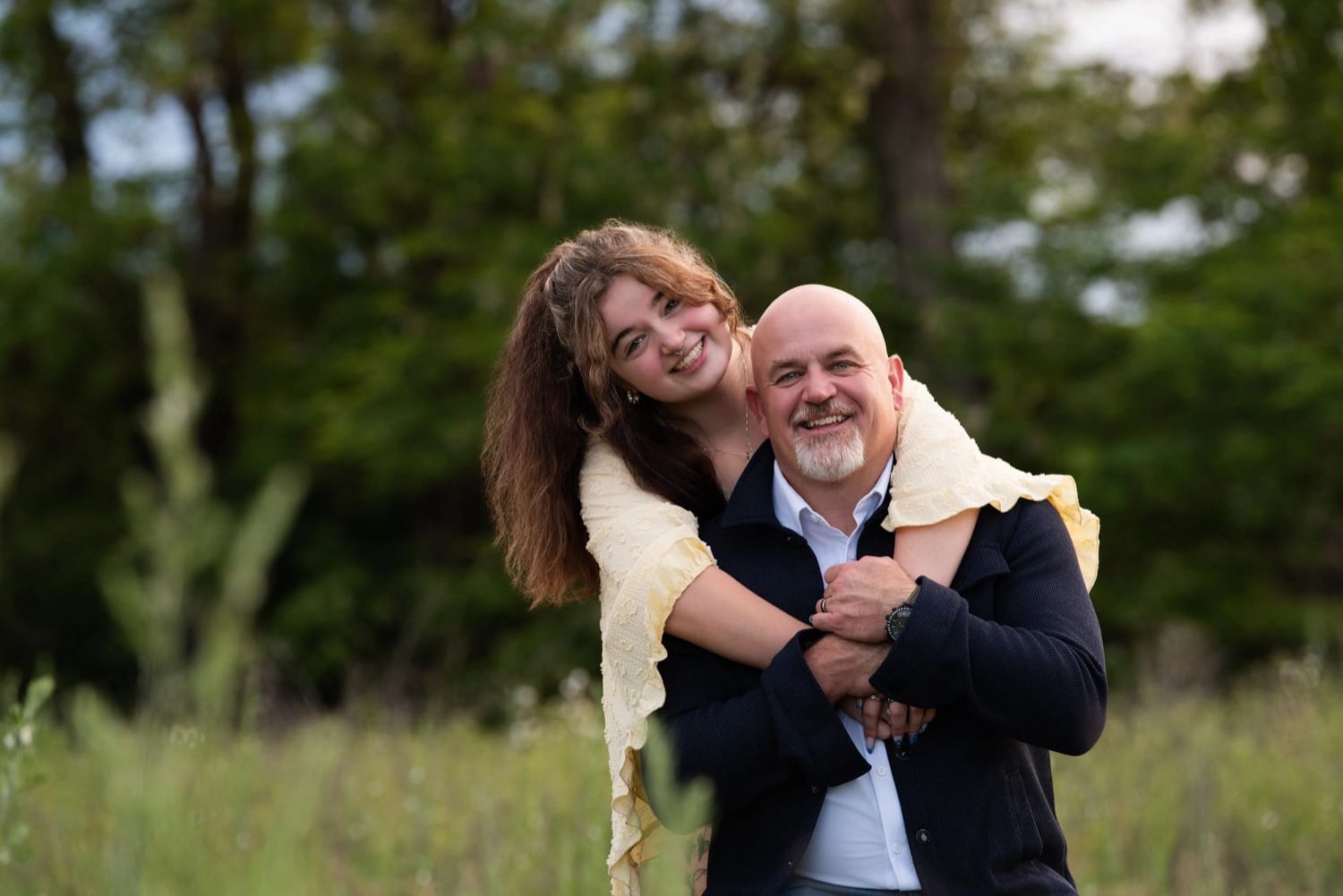
This week I’m heading to the Association of Clinicians for the Underserved annual conference in Washington, D.C. I’m going as the CEO of an FQHC, but I’m also going as a husband, a dad, and a man who has watched two women he loves fight for answers that should have come much sooner.
My wife lives with endometriosis. So does my daughter.
That changes the way I hear conversations about women’s health.
I don’t hear a policy issue. I hear the years they spent trying to understand what was happening in their own bodies. I hear the appointments, the pain, the uncertainty, and the way women learn to question themselves after being told again and again that what they are feeling is normal.
Endometriosis often takes years to diagnose. For many women, the wait stretches close to a decade. Think about what that means in a real life.
A teenager misses school because her periods are unbearable. A young woman struggles to work while managing pain nobody sees. Relationships change. Mental health suffers. Fertility questions begin. Families spend money, time, and energy moving through a healthcare system that keeps treating pieces of the problem without naming the whole thing.
The patient keeps showing up.
The system keeps asking her to prove it.
I have watched this happen up close, and it has changed me.
It pushed me to speak publicly about endometriosis through EndoDad. It led me to create art that helps women feel seen. It also led me to write Believe Her the First Time, because too many women still have to become experts in their own illness before anyone takes them seriously.
I also wrote Man vs. Menopause because women’s health does not stop with reproductive care. Perimenopause and menopause affect health, work, relationships, confidence, sleep, and family life, yet many women still enter that stage with little support and even less practical guidance for the people who love them.
My books grew from the same frustration I carry into this conference. Women deserve healthcare that listens sooner and responds better.
That matters even more in North Idaho.
Our region has lost OB-GYN capacity. Women travel farther for care. Rural communities face fewer specialists, longer waits, and limited options. When people discuss the loss of obstetric services, the conversation often centers on pregnancy and delivery. Those losses also affect women with pelvic pain, abnormal bleeding, suspected endometriosis, PCOS, fertility concerns, cancer risk, and symptoms connected to menopause.
A community does not only lose a delivery service when OB-GYNs leave. It loses a critical part of women’s healthcare.
FQHCs have a role here.
We are often the front door. We see patients before they reach a specialist. We hear about painful periods, missed work, fatigue, bowel symptoms, pain during sex, anxiety, depression, and the quiet fear that something is wrong.
We do not need to become specialty centers overnight. We do need to recognize the responsibility already sitting in front of us.
Primary care teams need better education about endometriosis. Referral pathways need to be clear and reliable. Women should receive support while they wait for specialty care. Leaders need to treat women’s health as a core strategy rather than a side program.
I believe community health centers could become national leaders in this work. We already know how to care for people who face barriers. We understand rural communities. We know how to integrate medical care with behavioral health and pharmacy. We also know how to build partnerships when one organization cannot solve the entire problem alone.
We need help.
We need clinicians willing to teach. We need health centers willing to share what works. We need researchers who understand the realities of rural care. We need funders who see women’s health as more than maternity care. We need men to enter this conversation with humility and stay in it long enough to be useful.
At the ACU conference, I want to meet the people who are working on this.
I want to hear from FQHCs that have built strong women’s health models. I want to learn from clinicians who diagnose endometriosis earlier. I want to meet leaders who have improved care for women in rural communities. I want honest conversations about where we are failing and what we could build together.
I’m hosting a conversation Sunday afternoon called The Future of Women’s Health at FQHCs. We’ll talk about endometriosis, perimenopause, access, primary care, and the practical steps community health centers could take when we return home.
No presentation. No sales pitch. I’m coming with questions and a deep sense of urgency.
My wife and daughter are part of why I care so much about this. They are also reminders that this conversation represents millions of women whose pain has been minimized, delayed, or misunderstood.
A decade is too long to wait for an answer.
If you are attending ACU and care about women’s health, please find me. Tell me what your organization is doing. Tell me where you are stuck. Tell me who I should meet.
We need better ideas, stronger partnerships, and people willing to push this work forward.
Women have waited long enough.
If you are living this
I Believe You is the practical version. Appointment prep, questions worth asking, and a way to turn what you are feeling into words a doctor can act on. It is free, it does not ask for your email, and it will stay that way.
If you want the numbers behind the delay, How Many Years Does It Take to Get an Endometriosis Diagnosis has them.