

Understand how you lead.
Get to know the people you’re leading with.
Leadership gets personal when you start noticing how you respond, what you need from other people, and how your approach affects the group. This reflection and workshop support that conversation as part of the Coeur d’Alene Regional Chamber’s NEXTGEN program, with Mike Baker and Jeff Conroy. Participants and mentors both complete it before we meet.
For NEXTGEN participants and mentors. About 15 to 20 minutes, 60 questions, and your personal report is ready the moment you finish. Have your code from the kickoff email ready, and keep your report handy for the meeting.
After the sessionClass of 2027
Your follow-up packet
Jeff and I are grateful for the time you gave us and for the questions you asked. Several of you told us the same thing afterward. The ideas were useful, and you wanted more worked examples and something practical to carry into a real conversation. This page is our answer. Everything here is free to download, and none of it contains anyone’s results.
Start with the guide and find the case that looks most like something happening in your work, your volunteer role, or your mentorship. Read the two pages, fill in the matching practice sheet, and try one adjustment. Then bring what happened back to your mentorship partner.
Choose one behavior to try. Ask someone who experiences it for specific feedback. Then arrange a check-in with your mentorship partner within the next 30 days, so you have a chance to look at an actual attempt together instead of a plan. Mentors, this applies to you too. Pick an experience of your own and bring it.
Keep questioning your report where it does not fit. Its value is in helping you notice something worth examining and deciding what to do about it. You do not have to accept every description. Your notes are yours. Share only what supports the conversation.
The cases and completed examples in these materials are fictional. Your personal assessment report is separate and was never part of this packet.
Before we meet
Participants and mentors alike, complete the working-style and leadership-practice questions. Answer from your own experience, including the days when things feel harder. Your completed assessment gives you a personal report to read and reflect on. Bring it to the session on your device or as a printed copy.
During the 90-minute session
We’ll use your report as a starting point for conversation and practice. Jeff’s “What would you do?” questions belong in the meeting. You’ll compare approaches with other participants, work through a group exercise, and choose a specific behavior to try with support from your mentor.
The session questions are conversation starters and are not scored. You do not need to answer them before taking the assessment.
Four approaches to explore
You’ll likely recognize parts of more than one approach. Use your report to examine what fits your experience and question what needs more context. This is an informal leadership reflection, not a licensed or validated DISC assessment.

A Human First conversation
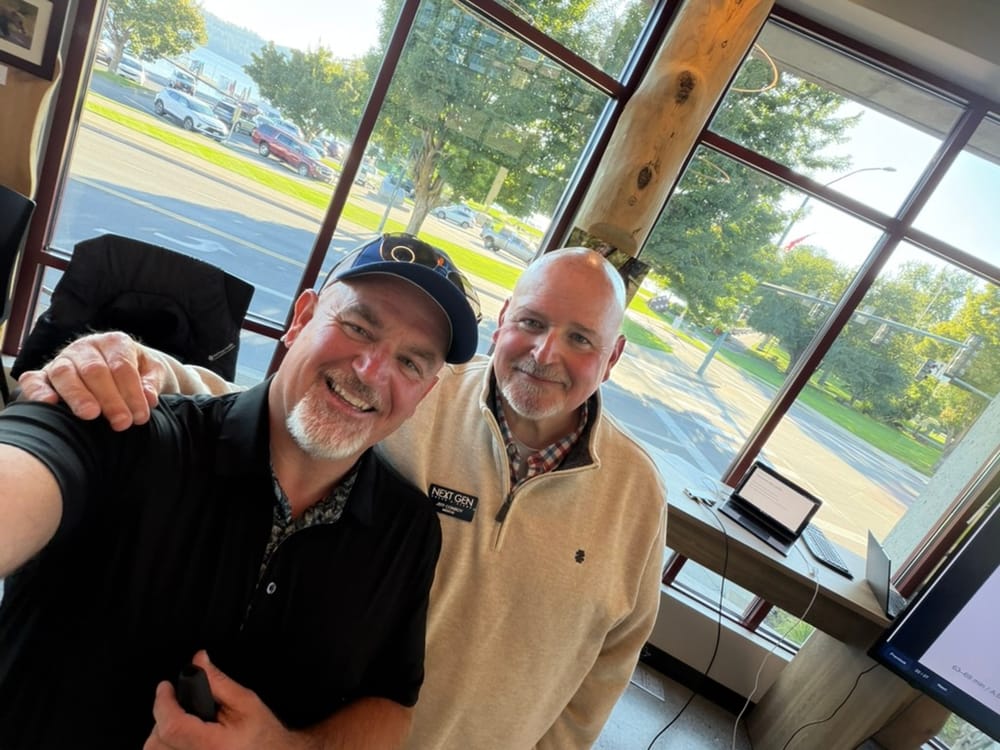
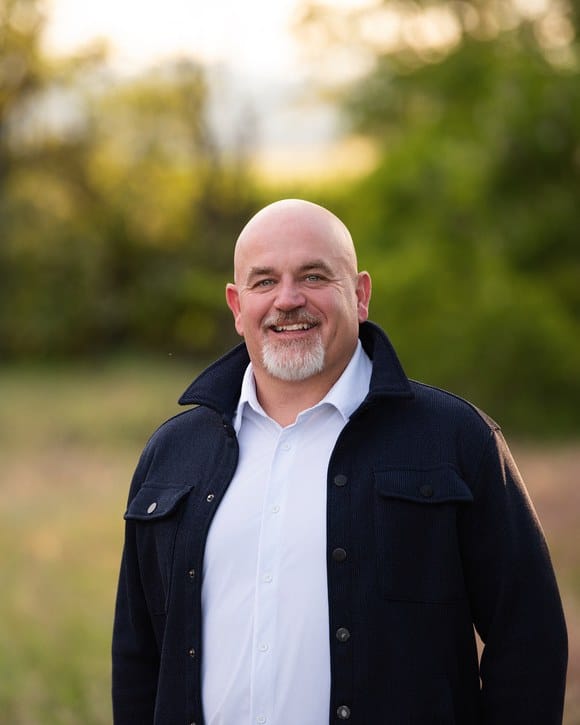
Mike Baker and Jeff Conroy lead the workshop together. Mike brings his Human First approach to leadership and his experience leading Heritage Health in North Idaho. The session makes room for honest reflection, different perspectives, and practice you’ll take back into your own work.
Explore Mike’s leadership workExplore Jeff’s leadership work
Your results and your choices
Your completed answers and reflection notes support your personal report. Mike manages access to the class results and uses them with Jeff to prepare printed profiles and plan the session. Other participants and mentors do not have access to your results. You decide what to share during the workshop. The assessment explains how your information is used, including AI-supported report interpretation, before you submit it.
Participants and mentors both take it. Have your code from the kickoff email ready, complete both parts, then keep your report where you can find it on session day.
While you’re here
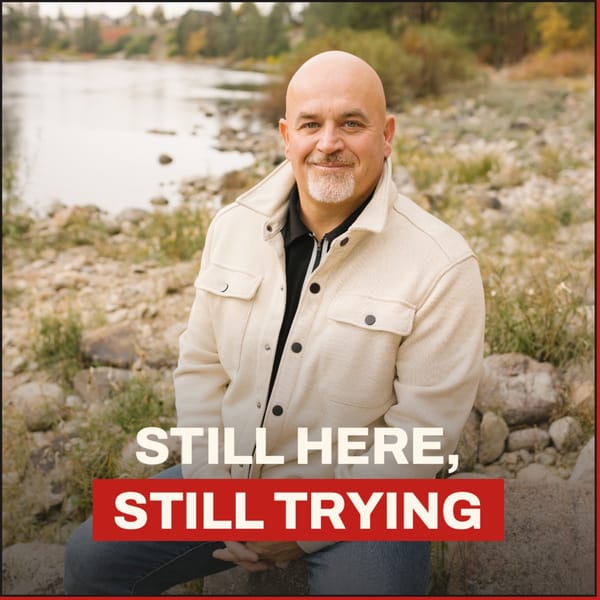
This is my house. Look around.
The workshop is free, and so is most of what lives on this site. A few places worth a stop before or after your assessment.

Leading the session?
Approved presenters sign in to open the workshop slides and activity timers.
Presenter sign-in