
Believe her at every age.
Women spend far too much of their lives translating what is happening in their bodies into language other people will take seriously.
The symptoms change. The pattern often does not.
Pain gets normalized. Exhaustion becomes stress. Brain fog becomes carelessness. Changes in mood become a personality problem. Sexual symptoms go unspoken. A woman enters an appointment knowing something has shifted and leaves wondering whether she explained it badly.
This page is here to make the next step easier.
You will find practical tools for perimenopause and menopause, honest help for partners, books that open better conversations, and trusted medical resources for making informed decisions about care.

From “No Permission Needed” — an Infinite Canvas AI show about women’s health · The Art Spirit Gallery, November 14 to December 24, 2025 · See the art →
What would help today?
You are allowed to take the changes seriously.
Perimenopause is the transition leading to menopause. It often lasts several years. During that time, changing hormone levels can affect menstrual cycles, temperature regulation, sleep, mood, concentration, sexual and urinary health, and daily life.
Menopause is confirmed after 12 consecutive months without a menstrual period or spotting, when there is not another medical explanation. Symptoms do not always stop at that point, and health needs continue after menopause.
Some people enter menopause earlier because of surgery, cancer treatment, health conditions, or other factors. Their care and treatment considerations may be different.
Experiences vary widely. Some women have few symptoms. Others find that symptoms affect work, relationships, confidence, sleep, and the ability to function normally. Both experiences are real.
This page often uses the words women and woman because that is the community at the center of Mike’s work. Some transgender men and nonbinary people also experience perimenopause and menopause and deserve informed, respectful care.
Perimenopause
Periods may arrive closer together, farther apart, heavier, lighter, or differently than before. Symptoms can begin before someone realizes the hormonal transition has started.
Menopause
Menopause marks the end of menstrual periods and is confirmed after 12 months without a period or spotting. It is one point in a longer transition, not a single day when every symptom ends.
After menopause
Bone health, cardiovascular health, sexual and urinary health, sleep, mental health, and quality of life all deserve ongoing attention.
Early, premature, or medically induced menopause
Menopause that happens early or follows surgery or medical treatment can bring different risks and decisions. Ask for care that reflects the reason, timing, symptoms, medical history, and your priorities.
The body is going through change. Daily life feels it too.
Perimenopause and menopause can involve much more than periods. The changes can affect how a person sleeps, thinks, works, moves, relates, and feels inside her own body.
Cycles and bleeding
Irregular periods, missed periods, heavier or lighter bleeding, spotting, changes in timing, or changes in cramps.
Temperature and sleep
Hot flashes, night sweats, chills, waking often, trouble falling asleep, or exhaustion after disrupted sleep.
Brain and mood
Difficulty concentrating, forgetfulness, anxiety, irritability, low mood, reduced confidence, or feeling unlike yourself.
Sexual and urinary health
Vaginal dryness, pain during sex, changes in desire, urinary discomfort or urgency, bladder changes, or recurring urinary problems.
Body and energy
Fatigue, headaches, joint or muscle discomfort, palpitations, changes in body composition, or changes in exercise recovery and tolerance.
Life around the symptoms
Missed work, canceled plans, relationship strain, reduced patience, difficulty caring for others, loss of confidence, or feeling isolated inside an experience other people cannot see.
Symptoms associated with menopause can overlap with other health concerns. A thoughtful evaluation should consider the whole picture instead of assuming every new symptom comes from hormones.
You do not have to earn care by suffering longer.
Make an appointment when symptoms disrupt sleep, work, relationships, sex, exercise, mental health, or ordinary life. Bring up new symptoms even when you are unsure whether they are connected to menopause.
Bleeding or spotting after 12 months without a period should be evaluated by a healthcare professional, even if it happens once or seems minor. Heavy bleeding, bleeding between periods, bleeding after sex, or a major change in your usual pattern also deserves a conversation with a clinician.
New, severe, rapidly worsening, or frightening symptoms need prompt medical attention. If you think you may be having a medical emergency, call 911 or your local emergency number.
You know what normal has felt like in your body. You are allowed to say, “This has changed, and I want to understand why.”
Walk in with the story organized.
Appointments move quickly. A hormonal transition rarely fits neatly into a ten-minute conversation.
Before the visit, write down
- When the changes began and how they have progressed.
- Menstrual patterns, including heavy bleeding or spotting.
- Sleep, hot flashes, mood, concentration, sexual, urinary, and physical symptoms.
- What the symptoms prevent you from doing.
- Current prescriptions, supplements, contraception, and previous treatments.
- Relevant personal and family medical history.
- The three questions you most need answered.
Language you can use
“This has begun affecting my sleep, work, relationship, or ability to function normally.”
“I would like to discuss whether perimenopause could be contributing to these symptoms and what else should be considered.”
“What treatment choices fit my symptoms, medical history, preferences, and risk factors?”
“What should we try first, how will we know whether it is helping, and when should we follow up?”
“If this plan does not help, what comes next?”
Before leaving, confirm
- What the clinician thinks may be happening.
- Whether any further evaluation is needed.
- The benefits, risks, and limits of each treatment choice.
- What improvement should look like.
- When follow-up will happen.
- Who to contact if symptoms worsen.
Download the tools
You deserve a real conversation about your options.
No single treatment fits every person. Care should reflect symptoms, medical history, age, personal risks, priorities, preferences, and what matters most to the person seeking help.
Hormone therapy
Menopausal hormone therapy is the most effective treatment for hot flashes and night sweats and can help with some other symptoms. Benefits and risks depend on the person, the treatment type, dose, route, timing, whether the person has a uterus, and medical history. The decision belongs in an individualized conversation with a qualified healthcare professional.
Nonhormonal prescription treatment
Nonhormonal prescription options are available for some menopause symptoms, including hot flashes. These can matter for people who prefer not to use hormone therapy or whose medical history makes it inappropriate. Ask what each treatment is intended to help, what its risks are, and how follow-up will work.
Vaginal and urinary treatment
Vaginal moisturizers and lubricants can help some people with dryness or discomfort. Prescription choices include low-dose vaginal estrogen and other treatments for vaginal or urinary symptoms. Local vaginal treatment is different from systemic hormone therapy and deserves its own conversation.
Sleep, mood, and mental health
Sleep disruption, anxiety, depression, and changes in concentration deserve care in their own right. Treatment may include addressing hot flashes, evaluating other sleep or mental health conditions, counseling, medication, or other evidence-based support.
Daily health
Movement, strength work, nourishing food, sleep routines, smoking cessation, and support around alcohol or stress can contribute to long-term health. They should support good care—not become another way to send someone home without answers.
A treatment decision should leave you informed and involved. Fear, shame, sales claims, or internet certainty should not make the decision for you.
Men, this is your part.
I wrote Man vs. Menopause because too many men experience menopause as something happening somewhere near them.
We notice the disrupted sleep. The change in intimacy. The shorter fuse. The forgotten conversation. The distance growing between two people. We do not know what to say, so we say very little—or say the thing that makes the moment worse.
Your partner does not need you to become a hormone specialist.
She needs you to believe that something real is happening. She needs you to learn without making her teach every lesson. She needs you to notice the practical load, protect the relationship from careless jokes, and stay present when neither of you has the right words.
Her body is not something being done to you.
This season may affect you. It may confuse you. It may ask more patience, honesty, and flexibility from both of you. But support starts when you stop making your confusion the center of her physical experience.
Start here
- Ask what she is experiencing before telling her what you have observed.
- Learn about perimenopause without making her responsible for your education.
- Treat sleep disruption, sexual pain, exhaustion, and mood changes as health concerns, not personal rejection.
- Attend an appointment when invited. Listen, take notes, and help preserve the questions she wanted answered.
- Take responsibility for part of the practical load without waiting to be assigned every task.
- Talk honestly about the relationship while remembering that her body belongs to her.
- When you get it wrong, own it quickly. A useful apology matters more than a long defense of your intentions.
Believe first. Listen fully. Help with what comes next.
Download the partner toolkitRead Man vs. MenopauseThree books. One hard question: are you easy to trust when life gets hard?
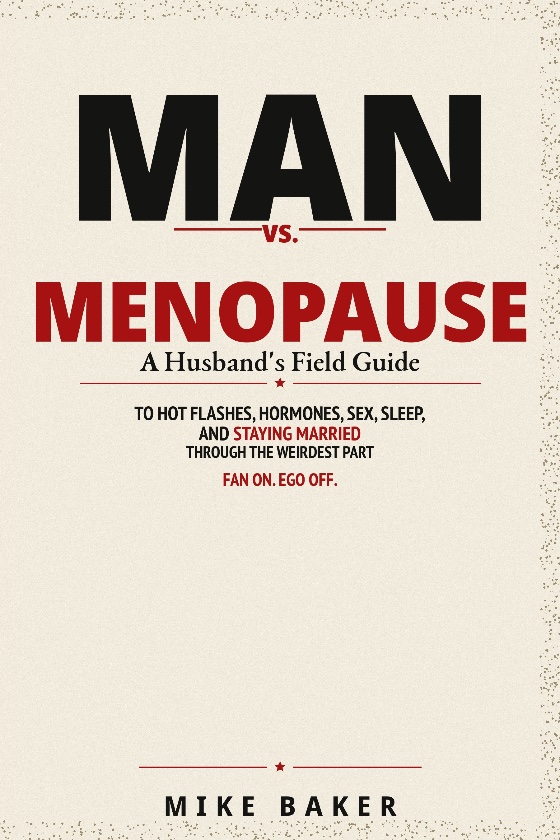
Man vs. Menopause
A husband’s field guide to hot flashes, hormones, sex, sleep, and staying married through the weirdest part.
Start with the season you are in.
This is an honest guide for the man trying to understand perimenopause and menopause inside a real relationship. It gives men a place to begin when sleep changes, sex becomes complicated, emotions feel closer to the surface, and neither partner has language for what is happening.
Learn about the book →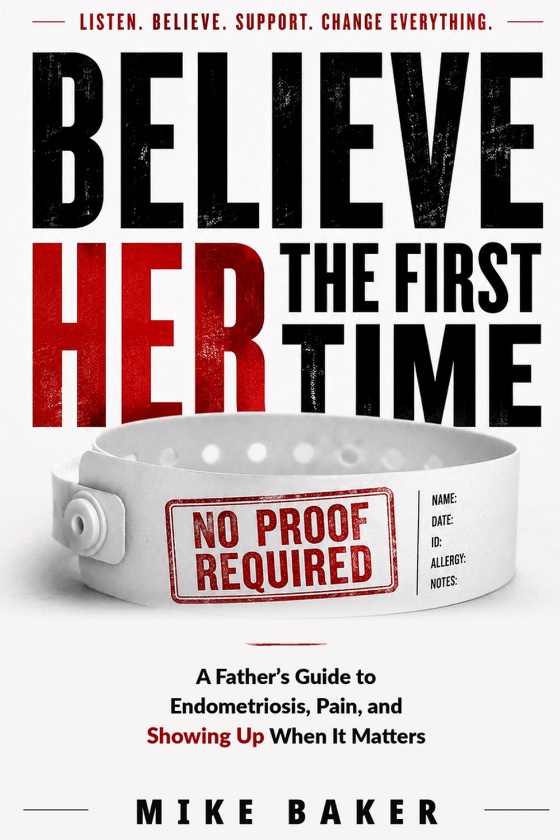
Believe Her the First Time
A Father’s Guide to Endometriosis, Pain, and Showing Up When It Matters
Understand the belief gap.
This book begins with endometriosis, but its central lesson reaches much further. Women should not have to build a courtroom case before the people who love them take their pain, symptoms, or knowledge of their own bodies seriously. Read it to understand how dismissal happens, what it costs, and why belief has to come before advice.
Learn about the book →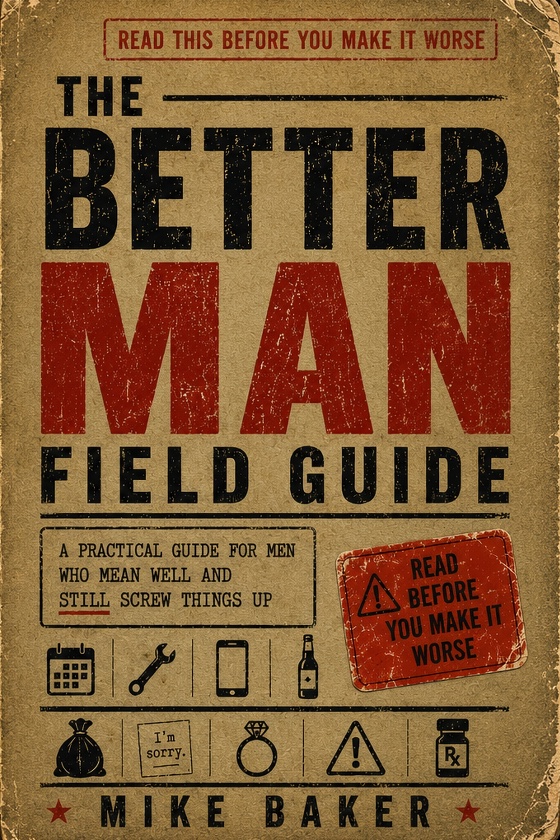
The Better Man Field Guide
A blunt, funny, practical guide to becoming easier to trust, easier to love, and safer to tell the truth to.
Carry the lesson into the rest of your life.
Women’s health asks more of men than sympathy. It asks for attention, accountability, courage, and a willingness to change how we show up in relationships and the world around us. This book widens the conversation beyond one diagnosis or one season.
Learn about the book →Read all three. Become easier to trust when life gets hard.
Explore all of Mike’s booksStay connected while everything is changing.
Menopause can enter a relationship disguised as a hundred unrelated problems.
Someone is exhausted. Someone feels rejected. A minor disagreement grows teeth. Sex becomes painful, infrequent, or complicated. Both people begin protecting themselves instead of explaining what hurts.
Slow the conversation down.
Try asking
“What has felt hardest lately?”
“What do you wish I understood without making you explain it again?”
“Has anything become painful or uncomfortable that we need to talk about differently?”
“What could I take responsibility for this week?”
“Would support, company, practical help, or some space feel best right now?”
Avoid
- Treating every emotion as hormonal.
- Making jokes about menopause in front of other people.
- Taking pain during sex as a verdict on the relationship.
- Waiting to be assigned every household responsibility.
- Diagnosing her instead of listening to her.
- Acting as though your confusion carries the same weight as her physical experience.
Pain should not become the price of protecting someone else’s feelings.
Menopause can affect vaginal tissue, comfort, desire, arousal, urinary symptoms, sleep, mood, and how someone feels inside her own body. Some women enjoy sex more during this stage. Others experience dryness, pain, lower desire, or uncertainty about what has changed.
There is no universal level of desire or sexual activity that someone is supposed to maintain.
Painful sex should not become something a woman silently endures to protect a partner’s feelings. Treatments and support are available, and sexual or urinary symptoms deserve a place in the medical conversation.
Good intimacy starts with honesty, consent, patience, and safety. It allows the definition of closeness to change while two people learn what feels comfortable, wanted, and connecting now.
Start with these questions
“What kind of touch feels good right now?”
“Is anything painful, dry, frightening, or uncomfortable?”
“What would help this feel less pressured?”
“How can we stay close without treating intercourse as the only measure of intimacy?”
“Would you like support bringing this up with a healthcare professional?”
A talented employee should not have to quietly fall apart at her desk.
Hot flashes, sleep loss, unpredictable bleeding, migraines, anxiety, difficulty concentrating, urinary symptoms, and other menopause-related concerns can affect work.
Support does not have to be complicated. Depending on the person and the job, useful changes may include access to temperature control, flexible breaks, nearby restrooms, breathable uniform choices, scheduling flexibility, privacy, remote or hybrid work where the role allows it, and a manager who can listen without demanding intimate medical details.
For employees
You decide how much personal information to share. Focus the conversation on the effect at work and the practical adjustment that may help.
“I am managing a health condition that is affecting sleep and temperature regulation. I would like to discuss a few practical changes that could help me keep doing my job well.”
For managers
Listen without diagnosing. Protect privacy. Ask what work-related support may help. Follow the organization’s established accommodation, leave, and benefits processes. Do not turn one employee into the company’s menopause educator.
For employers
- Train managers in respectful, private conversations.
- Review temperature control, uniforms, scheduling, breaks, restroom access, leave, flexibility, and benefits.
- Make evidence-based menopause education easy to find.
- Include menopause-informed care in benefits and provider-navigation conversations.
- Measure whether employees know where to ask for help and trust the process.
- Review all legal and HR language with qualified counsel; requirements vary by location and individual circumstances.
Women should not have to find good menopause care by accident.
I have spent nearly three decades in community healthcare. I know good people work inside systems where appointments are rushed, histories become fragmented, and symptoms fall between specialties.
Leaders can make the path clearer.
Questions for your team
- Where does a patient first bring up possible perimenopause symptoms?
- Does the team know which changes may be expected and which symptoms need further evaluation?
- Are clinicians comfortable discussing bleeding, sexual and urinary health, sleep, mood, and treatment choices?
- How do patients learn about hormonal and nonhormonal options?
- What happens when the first treatment does not help?
- Is follow-up built into the pathway, or does the patient have to start over?
- Do employees and patients have access to plain-language, evidence-based education?
- Are women with lived experience helping shape the care model?
- Can the organization identify gaps by race, geography, language, disability, insurance status, or other barriers to access?
Build the path
- Create a visible clinical pathway for perimenopause and menopause.
- Train primary care, gynecology, behavioral health, pharmacy, and care-navigation teams.
- Provide shared decision-making tools.
- Make referrals and follow-up easy to understand.
- Establish a method for updating education when clinical guidance changes.
- Measure whether patients felt heard, informed, and involved.
Read widely. Ask better questions. Make your own informed decisions.
This shelf brings together medical education, brain health, movement, lived experience, relationships, and the larger problem of women being dismissed in healthcare.
It is a reading list, not an endorsement of every claim in every book and not a substitute for individual medical care. Menopause guidance changes as evidence develops. Use books to prepare better questions, then discuss personal treatment decisions with a qualified healthcare professional.
— Mary Claire Haver, MD
A broad, accessible guide to symptoms, health risks, treatment conversations, and life during and beyond the menopause transition.
— Mike Baker
This is intentionally included even though its central diagnosis is endometriosis. Women often reach perimenopause after years of having pain, symptoms, and knowledge of their own bodies minimized. This book addresses the pattern underneath that experience: the belief gap.
— Mike Baker
A husband’s field guide to hot flashes, hormones, sex, sleep, and staying married through the weirdest part. Written for the man trying to understand what is happening inside the woman he loves and inside the relationship they share.
— Lisa Mosconi, PhD
A neuroscience-focused look at menopause, cognition, mood, sleep, brain health, and the role of hormonal change.
— Tamsen Fadal
A practical, expert-informed guide covering health, daily life, confidence, relationships, and navigating the transition with better information.
— Jen Gunter, MD
A direct, science-centered discussion of menopause, medical history, myths, symptoms, and women’s right to informed healthcare.
— Mary Claire Haver, MD
Focused on the years before menopause, including changing cycles, symptoms, prevention, treatment conversations, and the experience of being overlooked before periods stop.
— Avrum Bluming, MD, and Carol Tavris, PhD
A strongly argued examination of estrogen therapy and the history and interpretation of major research. Read it as one evidence-focused perspective and bring treatment questions to a qualified clinician who knows your medical history.
— Stacy T. Sims, PhD, with Selene Yeager
A physiology-based guide for active women approaching or experiencing menopause, with a focus on training, recovery, strength, fueling, and performance.
— Annice Mukherjee, MD
A practical overview of symptoms, work, medically induced menopause, lifestyle, treatment choices, and longer-term health from a physician who also experienced early menopause.
Start with sources built to inform, not frighten or sell.
Online menopause information can move quickly from education to certainty. Start with organizations that publish patient guidance, update clinical information, and explain what is known, what is still debated, and what should be discussed with a healthcare professional.
Clear information on the transition, common experiences, long-term health, and treatment conversations.Office on Women’s Health: Menopause
Federal patient information covering menopause basics, symptoms, treatment, and health after menopause.The Menopause Society: Patient Education
Expert-developed information on symptoms, hormone therapy, sexual health, mental health, premature menopause, and finding a menopause-informed practitioner.ACOG: The Menopause Years
Patient guidance on perimenopause, symptoms, health considerations, and treatment choices.The Menopause Society: Making Menopause Work
Evidence-based workplace resources for employees, managers, and employers.NHS: Postmenopausal bleeding
Any bleeding after 12 months without a period should be evaluated. The NHS provides a clear patient overview of why checking matters.
A confident social post is not the same thing as medical evidence. Ask who created the information, when it was reviewed, what evidence supports it, and what the person is trying to sell.
This started inside our family. It did not stay there.
I came into women’s health advocacy as a husband and a dad who watched people I love fight to be heard.
Endometriosis taught me how quickly women’s pain can be normalized, minimized, or handed back to them as a problem of communication. Menopause has its own medical reality, but the belief gap can look painfully familiar.
I am not here to speak over women or replace qualified medical care. I am here to listen, learn, build practical tools, help men show up better, and use my work in healthcare and leadership to keep asking where the system makes people prove too much before anyone helps.
The standard is simple to say and harder to live:
Believe her the first time. Stay long enough to understand what comes next.
Explore EndoDad advocacyBring Mike to your teamThis page provides general education, advocacy, and practical support. It is not medical advice, diagnosis, or a substitute for care from a qualified healthcare professional. Symptoms can have many causes, and treatment decisions depend on individual circumstances. Seek prompt medical attention for new, severe, rapidly worsening, or frightening symptoms. If you think you may be experiencing a medical emergency, call 911 or your local emergency number.
Go deeper
Two essays you can hand someone
Written for the person standing next to her, for one specific hard moment rather than the whole subject.
- What to Do When She’s Having an Endometriosis Flare
- What to Say When Your Wife Is in Pain and You Can’t Fix It
Credible places beyond this site
I am careful about where I send people. These organizations do serious work:
- Endometriosis Foundation of America — education, research funding and school outreach
- iCareBetter — a directory for finding vetted endometriosis specialists
- The Menopause Society — clinician directories and evidence-based menopause information
Nothing on this page is medical advice. For diagnosis and treatment, work with a qualified healthcare professional.
Before your next appointment
Three pages to read first
If you are heading into an appointment or a conversation at work, start with these.