
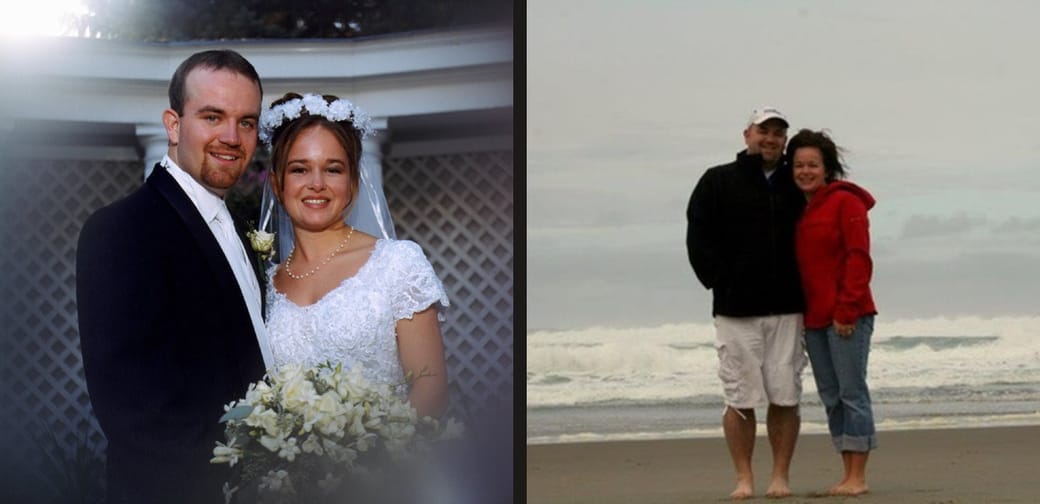
Yesterday was our 27th wedding anniversary. Kellie and I got married on October 5, 1999. After that much time together, you know a person in ways nobody else does. You also have plenty of opportunities to assume you understand something you haven’t asked about lately.
I’m still learning how to be a good husband to her. There are things I’ve gotten wrong, including trying to solve something before listening long enough to understand it. Loving her has never been the difficult part. Knowing what she needs from me requires attention, especially as our lives and bodies change.
That’s what I want to talk about this week.
If a woman you love tells you she doesn’t feel like herself, take a moment before answering. She might have spent weeks trying to find the words for that. She knows what it feels like to be in her body, and something feels different. Before offering an explanation about stress or getting older, give her time to tell you what she means.
Someone you love is trusting you with something that might already be worrying her. Your response matters.
For a man who knows very little about perimenopause or menopause, there’s some catching up to do. If most of what you’ve heard involves hot flashes and jokes about an angry wife, you’ve been poorly prepared for a significant part of someone’s life.
I have some sympathy for being unprepared. It’s uncomfortable to realize how little you know about something important to the person beside you. But once you recognize that, you have responsibility for learning more. She has enough to figure out without managing your entire education.
Start with the basics. Perimenopause is the transition around the end of menstrual cycles, and symptoms often begin years before the final period. Natural menopause is recognized after 12 consecutive months without a period when there is no other cause. Experiences vary widely. The World Health Organization explains the transition here.
Hot flashes are only part of what deserves attention. Sleep disruption and difficulty concentrating are possible symptoms, along with anxiety and changes in mood. Vaginal dryness and discomfort during sex also deserve care. Some women experience little disruption, while others find ordinary parts of life much harder. The NHS offers a useful explanation of symptoms and when to seek help.
Imagine trying to get through a familiar workday when concentrating has become difficult. You’re tired, but sleep hasn’t been coming easily. Everyone around you still expects what they’ve always expected, and you’re trying to understand why it feels harder to deliver.
Then imagine explaining that to the person you love and hearing that everybody gets tired.
She knows other people have difficult days. She’s telling you about hers because she wants you to understand.
I think that’s where men sometimes get distracted by their intentions. We meant to reassure her. We thought an explanation would help. Meanwhile, she was trying to describe something, and we interrupted before she finished.
I want to be someone Kellie feels comfortable telling the truth to. That includes being able to hear that my response missed what she needed. If she has to reassure me whenever I get something wrong, I’ve given her another responsibility at the exact moment she was asking for care.
Learning about menopause should make us more curious about her experience. It also requires some humility about what we know. A little information gives us no authority to diagnose someone or dismiss a concern about the relationship.
If she tells you something you did upset her, address what she said. A wife ought to be able to disagree with her husband without having her biology offered as a rebuttal. We should get that part right before becoming enthusiastic about everything else we’ve learned.
There’s room for humor in midlife. I’m counting on it. I also want the person I love to enjoy the joke. If she’s trying to tell me something difficult and I make her the punch line, I’ve given her a reason to tell me less next time.
A better response begins with taking an interest. “I believe you. Tell me what’s been hardest” gives her somewhere to begin, if she wants to talk. She might be too tired for that conversation. Respecting that leaves you with plenty of learning to do on your own.
Read information from a credible medical source. If she wants help preparing for an appointment, offer to write down her questions or go with her. Ask what role she wants you to have. Decisions about treatment belong to her and the clinician who understands her health history.
At home, look at what you’re leaving for her to manage. Offering to help still requires someone to identify the task and assign it. Take responsibility for something you already know needs doing, including the planning and follow-up. Let her experience the relief of having one less thing to remember.
Intimacy deserves care too. Ask what kind of closeness feels welcome, and respect the answer without making affection depend on sex. Someone who is uncomfortable in her body should feel comfortable being honest with you about it.
For the woman reading this, I’m sorry if explaining what’s happening has become another exhausting part of experiencing it. You deserve someone who takes an interest before you have the perfect words. Troubling symptoms deserve qualified care, and your account of what you’re experiencing deserves attention.
For the man recognizing how much he hasn’t understood, there’s something useful to do today. If you dismissed something she told you, apologize for that specific response. Let the apology stand without asking her to reassure you. Then make a change she has a chance to notice.
I made a free guide called Before You Ask Her to Explain to help you begin. It starts with information to read yourself, then helps you consider what you’ve assumed and how to open a conversation she wants to have. The final page asks you to choose a responsibility you’ll take on and agree on when she wants you to check in.
Download the guide here and spend some time with it before handing it to her. It’s printable and fillable. My hope is that it helps a woman feel understood without requiring her to do all the work of getting there.
World Menopause Day is October 18. That gives us a reason to bring attention to the subject. The person you love gives you a reason to follow through.
I wrote Man vs. Menopause as a husband who wants to love his wife well and help other men become more useful partners. There’s humor in it, along with honest conversations about changing health and the life we share at home.
Read the first chapter free on my website, where you’ll also find the book’s companion workbook. Existing subscribers should sign in with the email address that receives this letter. For the full book, buy Man vs. Menopause on Amazon.
If you forward this, add a note about why it mattered to you. If someone sent it to you, make time to read before asking them to explain.
After 27 years of marriage, I want Kellie to feel that I’m still interested in knowing her. That I’ll listen when something changes, even when it takes me a while to understand. There is more life ahead of us, and I want to keep learning how to be good company for hers.
Mike