
If your mom is still alive and you miss her, I wish you didn’t have to be so careful about saying that. I wish it didn’t feel necessary to explain that you love her, that you’re grateful she’s here, that you know other people would give anything for more time. All of that belongs in the same life as the sadness you’re trying to describe. You ought to be able to say you’re hurting without worrying that it sounds like you’ve given up on her.
I’m thinking about you today if you’re somewhere in that experience. There’s another appointment coming up. Your family is figuring out what needs to change, and someone has asked you a question you don’t feel ready to answer. Meanwhile, you’re trying to understand how a person who is still part of your life has become someone you already miss.
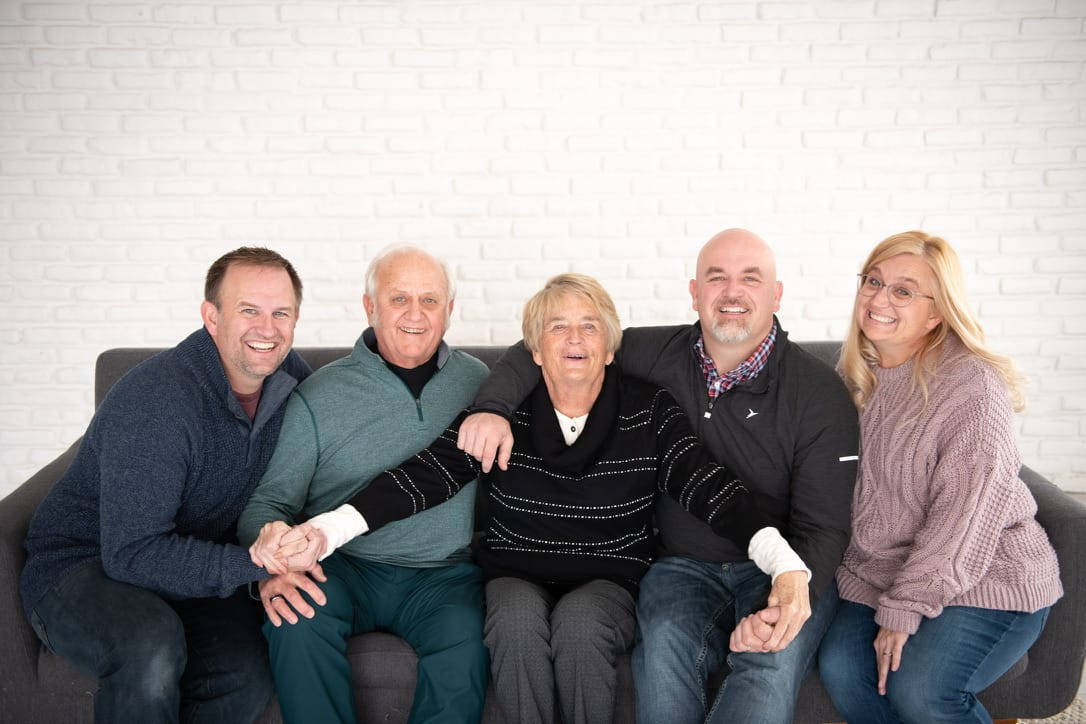
My mom had early-onset Alzheimer’s. My dad lived with the daily reality of that in ways I didn’t. My brother Jon and my sister Jen were closer to much of the care, while I lived in Coeur d’Alene. I loved my mom, and there were things other people were doing for her that I wasn’t there to do. I want to be honest about that because it would be easy to write about our family’s experience as though we all carried the same responsibilities. We didn’t.
Being farther away left room for guilt. Being closer meant there was more work to do. Within the same family, we were living through different versions of something none of us wanted. There is so much inside that experience that doesn’t make it into the update you give when someone asks how your mom is doing.
How do you explain that you’re sad before a visit has even started? Or that you love someone and feel worn out by what it takes to care for them? Those are hard things to admit, especially when you’re afraid someone will hear them and think less of you. Sometimes the person you’re most afraid of disappointing is yourself.
You thought you would have more patience. That’s a painful thing to sit with when somebody you love is sick. You understand they didn’t choose this, and that knowledge follows every moment when you get frustrated. Even after a difficult afternoon ends, you’re still thinking about your tone of voice or wishing you had handled something differently.
I wish we gave people more room to be human while they’re doing this. Love doesn’t make you endlessly patient. Exhaustion affects how you respond, and regret about one afternoon deserves some perspective. There is an entire relationship here, including years of care that won’t appear in the moment you keep replaying.
And underneath the work, you’re still their kid. You might be the person answering questions and helping make decisions, but that doesn’t mean you feel ready. There are days when being asked to know what comes next feels like too much. The person you would ordinarily want beside you is the person everyone is asking you about.
That part deserves care too. Someone needs to ask how you’re doing and have time for an answer that goes beyond whether you’re managing. Getting things done tells people very little about what it costs you to get through the day.
A good visit brings its own confusion. You leave relieved, then start questioning whether the week was as hard as you thought. Perhaps you feel guilty for what you told a friend the night before. But you were telling them about a difficult day, and they were allowed to know about it. Having a better afternoon doesn’t make your earlier sadness unfair.
I also wish we were gentler with the advice to appreciate every moment. Someone who is watching a parent change already knows time matters. They’re living with that knowledge while trying to get through an ordinary Tuesday. Asking them to treasure all of it adds another way to feel they’re falling short.
Some visits will be uneventful. There will be afternoons when you’re distracted, or when you leave earlier than you intended because the rest of your life needs you too. I don’t want you turning every visit into a test you’re afraid you’ll regret failing later. You’re allowed to spend time with someone you love without knowing how you’ll remember it someday.
If someone trusts you enough to tell you this is hard, please let them finish. Try to resist reassuring them so quickly that they lose the opportunity to say what they needed to say. They might have spent days deciding whether to tell anyone. Give them a little time before asking them to feel better.
And if you’re the one who has been keeping all of this to yourself, I’m sorry it’s been so lonely. I hope there is someone you trust enough to tell that you need a little care too. You still have responsibilities tomorrow. Tonight, you ought to have somewhere to admit that you miss your mom and you’re having a hard time.
I wrote Still My Mom for families living through these years, including the feelings we struggle to say out loud. If this feels familiar, buy the book on Amazon, or visit the book page to read chapter one free.
There’s also a free companion workbook on that page, with space to think through how your family shares caregiving responsibilities and to remember the person beyond the disease. An email signup opens the chapter and workbook and adds you to Just an Ordinary Tuesday, so the next letter arrives in your inbox. I’d be glad to have you here.