
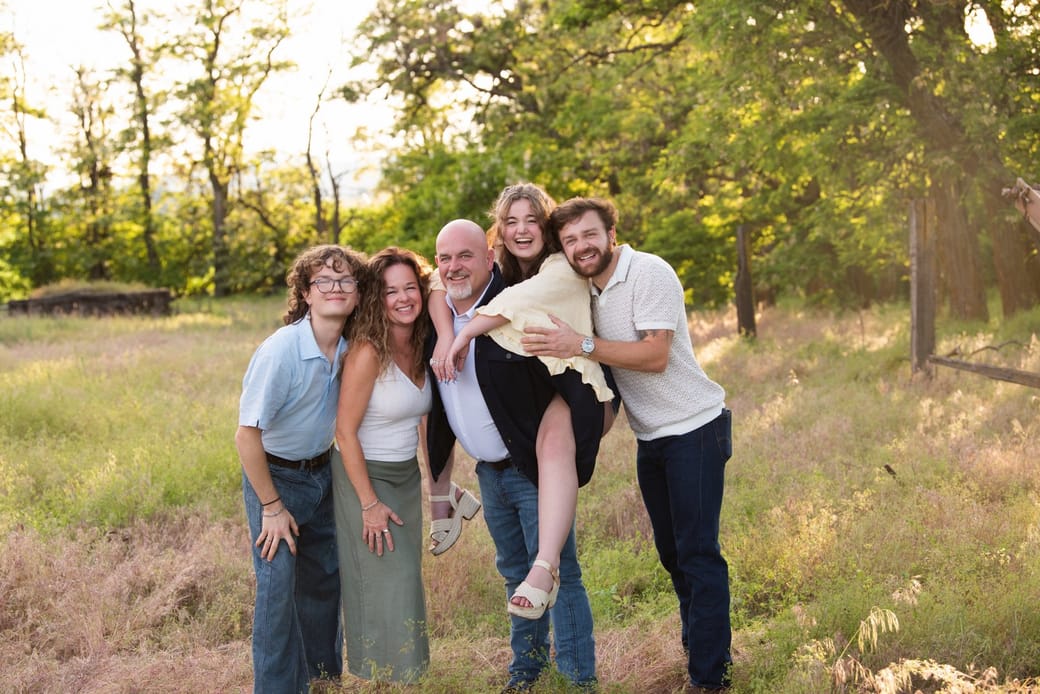
My wife and daughter both live with endometriosis. Their experiences changed the way I think about healthcare, including the system I help lead. So when I read the new White House executive order on women’s health, my first reaction was, finally. Then I started thinking about what I want it to mean the next time a woman sits down with someone and tries to explain what is happening in her body.
On October 19, President Trump signed an executive order on women’s health that names endometriosis and menopause among its priorities. It establishes a White House task force and directs the creation of a women’s health division within NIH, with an emphasis on getting research into clinical care.
I disagree with this administration on a great deal. This is a step I support, with the expectation that it leads to sustained research and better care. The women who need help deserve to know what will change and how those changes will reach them.
Women living with these conditions have been asking for better care for years. Advocates and clinicians have worked alongside them, and researchers have devoted their careers to finding answers. That work deserves recognition as this announcement receives attention. My hope is that it brings more support to people who have already given so much of themselves to improving women’s health.
Through EndoDad, I’ve heard from women and families whose experiences have made me question things I once understood too narrowly. Getting an appointment is one part of access. What happens during that appointment matters, too, especially when someone has left previous visits feeling unsure whether to bring the concern up again.
I think about the effort involved in asking for help. A woman might spend days deciding how to describe symptoms, then arrange time away from work to get to an appointment. She deserves room to explain what has been happening and a thoughtful response from the team caring for her. That responsibility feels personal to me, and it belongs in my work at Heritage Health.
On October 13, before this order was signed, I wrote about why community health centers should lead in women’s health. I was preparing to bring that conversation to the NWRPCA/CHAMPS conference because these concerns already belong in the everyday work of primary care. Our patients need us to be prepared for them.
Pregnancy and childbirth deserve excellent care. A girl missing school because of period pain also needs someone to take her concern seriously. Years later, someone trying to understand changes in her sleep and menstrual cycle deserves a clinician prepared to discuss them. Women’s health needs attention throughout a lifetime.
Endometriosis and menopause are different clinical subjects. Each requires sound medical knowledge, and clinicians need support to keep learning. As a healthcare leader, I have a responsibility to ask whether our teams have the education they need and whether our processes help patients get appropriate care.
In North Idaho, I also think about what happens after we recommend the next step. A referral might mean travel or time away from work that a patient cannot afford. If she struggles to get there, that information needs to return to the team caring for her. Someone needs to help work out what happens next.
Those details are where I want this attention to make a difference. Better research should inform the care people receive. Education needs to reach the teams having these conversations, and women with lived experience should help us understand where our efforts still fall short.
At Heritage, we are early in developing women’s health education and examining how our teams respond to these concerns. I want that work guided by qualified clinicians and informed by the women receiving care. We have learning to do, and I want to be honest about that while taking responsibility for moving it forward.
There is work for men here, too. When someone you love is dealing with symptoms you do not understand, take responsibility for learning. Ask what support she wants and respect her decisions about her care. She deserves room to talk about what is happening without having to manage your discomfort with the conversation.
If you work in community health or women’s health education, I’d like to hear what you are learning. You’ll find women’s health resources here, and you’re welcome to connect with me about bringing this conversation to your organization.
I want to be hopeful about this, and I want us to pay attention to what follows. The next woman asking for help still needs someone prepared to listen and work through the next step with her. Whatever happens in Washington, that responsibility belongs to those of us involved in her care.
Mike Baker is CEO of Heritage Health in North Idaho and the advocate behind EndoDad76. His wife’s and daughter’s experiences with endometriosis inform his writing and his work to improve women’s healthcare.
Just an Ordinary Tuesday
Pass it on. If someone you love is still trying to be heard by a doctor, forward this to her, or to the person sitting next to her at the appointment.
New here? Someone probably forwarded this to you. Get Just an Ordinary Tuesday free in your inbox. One letter most Tuesdays, and leaving is easy.